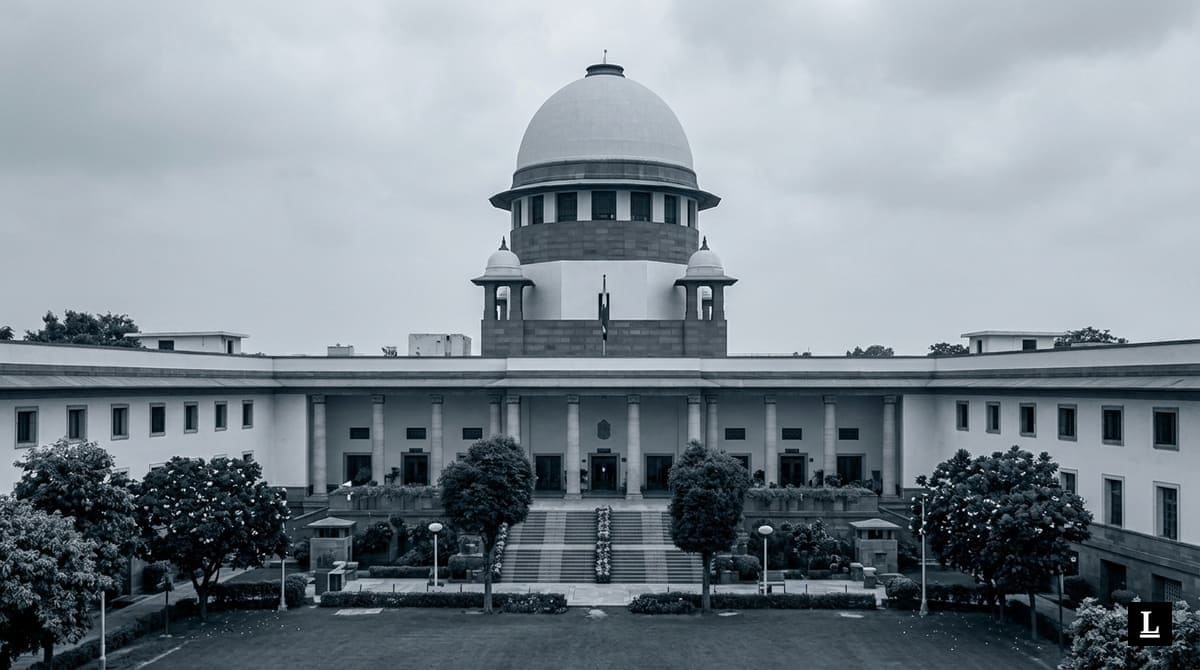
Supreme Court of India
Waman Rao v. Union of India (1981): Defining the Limits of Ninth Schedule Immunity
The Supreme Court in Waman Rao clarified the application of the Basic Structure Doctrine to laws placed in the Ninth Schedule, establishing a crucial cut-off date for judicial review. This judgment balanced parliamentary power to amend with the judiciary's role in protecting constitutional fundamentals.
 By LuricIO Intelligence

The landmark judgment in Waman Rao v. Union of India (1981) served as a crucial clarification regarding the interplay between the Basic Structure Doctrine and the Ninth Schedule of the Indian Constitution. The Supreme Court held that while constitutional amendments placing laws in the Ninth Schedule before April 24, 1973 (the date of the Kesavananda Bharati v. State of Kerala (1973) judgment) would generally remain immune from challenge, those enacted on or after this date could be subjected to judicial review on the grounds of violating the Basic Structure of the Constitution.
The Question Before the Court
Following the pronouncement of the Basic Structure Doctrine in Kesavananda Bharati v. State of Kerala (1973), a significant constitutional question arose: what was the fate of laws already placed, or subsequently placed, in the Ninth Schedule? The Ninth Schedule, introduced by the First Amendment in 1951, was designed to protect certain laws, primarily those related to agrarian reforms and the abolition of the Zamindari system, from judicial scrutiny on the basis of violating fundamental rights. Over time, however, various other laws were also added to this Schedule, leading to concerns about its potential misuse to circumvent fundamental rights and judicial review. Petitioners in Waman Rao challenged the constitutional validity of several land reform laws, including the Maharashtra Agricultural Lands (Ceiling on Holdings) Act, 1961, which had been placed in the Ninth Schedule. They argued that these provisions, by shielding laws from fundamental rights challenges, themselves damaged the Basic Structure of the Constitution.
The Court's Holding and the Cut-off Date
A five-judge Constitution Bench of the Supreme Court, led by Chief Justice Y.V. Chandrachud, delivered the judgment in Waman Rao v. Union of India on January 13, 1981. The Court affirmed the validity of Articles 31A and 31B, which facilitate agrarian reforms, but critically limited the scope of the Ninth Schedule's immunity. The most significant aspect of the judgment was the introduction of a cut-off date: April 24, 1973. This date corresponds to the day the Kesavananda Bharati judgment was pronounced, which established the Basic Structure Doctrine. The Court ruled that all constitutional amendments inserting laws into the Ninth Schedule on or before April 24, 1973, would remain valid and immune from challenge. However, laws placed in the Ninth Schedule after this date could be challenged on the ground that the constitutional amendment inserting them violated the Basic Structure of the Constitution.
Reconciling Fundamental Rights and the Ninth Schedule
Waman Rao effectively balanced the legislature's power to amend the Constitution with the judiciary's role in upholding its fundamental principles. The judgment implicitly held that the Basic Structure Doctrine would operate prospectively from its date of articulation (April 24, 1973). This approach prevented the unsettling of decades of constitutional practice and land reform legislation that relied on the Ninth Schedule's protection prior to Kesavananda Bharati. By drawing this temporal line, the Supreme Court ensured that while past legislative actions aimed at socio-economic justice were largely preserved, future attempts to bypass fundamental rights through the Ninth Schedule would be subject to judicial scrutiny under the Basic Structure Doctrine. The Court clarified that the Ninth Schedule was not an absolute shield, and its protection, particularly for post-1973 additions, was subject to the overarching limitation that the Basic Structure could not be destroyed.
Impact and Continuing Relevance
The principles laid down in Waman Rao were further reinforced and elaborated upon by a nine-judge bench in I.R. Coelho v. State of Tamil Nadu (2007). The Coelho judgment unequivocally stated that all laws placed in the Ninth Schedule after April 24, 1973, are subject to judicial review and can be struck down if they violate the Basic Structure of the Constitution, including fundamental rights under Articles 14, 19, and 21. This reaffirmed the judiciary's role as the ultimate arbiter of constitutional validity and ensured that the Ninth Schedule could not be used as a tool to undermine the foundational principles of the Constitution. The Waman Rao decision, therefore, remains a cornerstone of Indian constitutional law, providing a clear framework for assessing the validity of laws placed in the Ninth Schedule and safeguarding the Basic Structure Doctrine.
The Ninth Schedule was added to the Constitution in 1951 through the First Amendment, alongside Article 31B, primarily to protect land reform laws from being challenged in courts for violating the then-fundamental right to property. This was a response to early judicial interventions that struck down agrarian reform legislation. The Basic Structure Doctrine itself emerged from Kesavananda Bharati v. State of Kerala (1973), where the Supreme Court held that while Parliament has the power to amend the Constitution, it cannot alter its basic structure or essential features. Waman Rao then built upon this foundation, specifically addressing how the Basic Structure Doctrine would apply to the unique protective mechanism of the Ninth Schedule.
For an ordinary citizen, Waman Rao means that laws enacted by the legislature and placed in the Ninth Schedule after April 24, 1973, are not beyond challenge if they violate fundamental rights or the core principles of the Constitution. This provides a crucial safeguard, ensuring that legislative actions cannot arbitrarily infringe upon basic liberties under the guise of constitutional protection. It reinforces the idea that the Constitution's fundamental values are paramount and enforceable by the courts.
Have a question on this?
Ask LuricIO AI about this judgement, the provisions involved, or your own matter, and get a court-ready answer.
An evergreen explainer by LuricIO Intelligence on a landmark judgement or key provision of Indian law. Always confirm the current statute and the latest authorities against the official record.
An AI-generated explainer by LuricIO Intelligence on a key provision or landmark judgement of Indian law. It may contain errors and is not legal advice, independently verify the current statute and the latest judgements against the official record before relying on it.
Related analyses
See all in Supreme CourtSupreme Court of India
Society Tag No Shield From Article 12: Supreme Court
3 min read

Supreme Court of India
Supreme Court Directs Delhi Authorities on Protests, Metro, and Detentions
4 min read
Supreme Court of India
Supreme Court to Examine Plea to Recall Split Verdict on Election Commissioner Appointments
3 min read
Supreme Court of India
Delhi High Court Orders Forensic Audit of Fortis Transactions; Supreme Court to Review 'Reverse Veil Piercing'
4 min read
