Supreme Court of India
Supreme Court to Examine Plea to Recall Split Verdict on Election Commissioner Appointments
The Supreme Court has agreed to consider an application seeking the recall of a recent split verdict concerning the referral of challenges to the 2023 law on Election Commissioner appointments to a larger bench. This development follows a divergence of opinion between two judges on the necessity of a Constitution Bench hearing for the matter.
 By LuricIO Intelligence
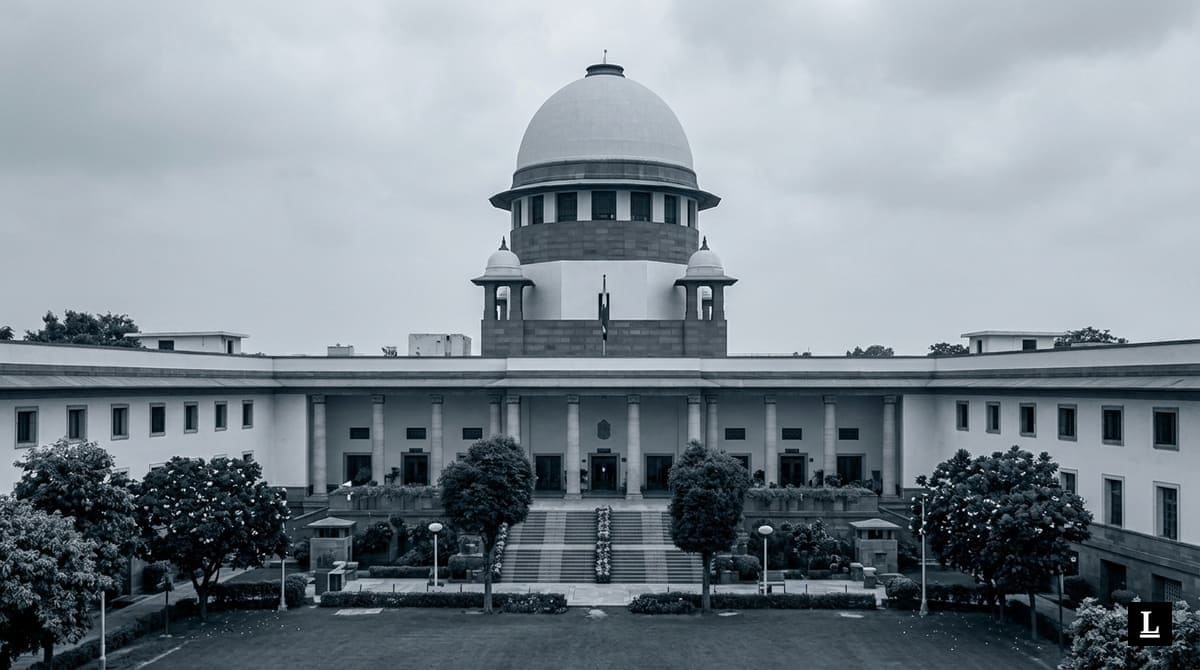
The Supreme Court of India recently indicated its willingness to examine a plea for the recall of a split verdict. This split verdict arose from a batch of petitions challenging the constitutional validity of the Chief Election Commissioner and Other Election Commissioners (Appointment, Conditions of Service and Term of Office) Act, 2023. The core issue in the split verdict was whether these challenges should be referred to a larger Constitution Bench for adjudication.
On 23 September, a bench comprising Justice Dipankar Datta and Justice Satish Chandra Sharma delivered differing opinions on this referral question. Justice Datta did not agree with the request to refer the matter to a larger bench, while Justice Sharma held that the matter should be placed before a larger bench. Due to this difference of opinion, the matter was to be placed before the Chief Justice of India on the administrative side for the constitution of an appropriate bench.
On 8 October 2026, a bench including Chief Justice Surya Kant, Justice Joymalya Bagchi, and Justice V Mohana was informed about a recall application filed in this regard. Senior Advocate Gopal Sankaranarayanan brought the application to the Court's attention, stating that it had previously been mentioned before a bench headed by Justice Datta, which had then released the matter and directed it to be mentioned before the Chief Justice. The Chief Justice stated that the Court would examine the application and take a decision. It was also noted that a curative petition had been filed in connection with the broader issue.
The Legislative Change and Judicial Scrutiny
The petitions before the Supreme Court challenge the 2023 Act, which altered the mechanism for appointing the Chief Election Commissioner (CEC) and Election Commissioners (ECs). This Act replaced a selection process that had been mandated by a five-judge Constitution Bench of the Supreme Court in its judgment of 2 March 2023. The Court's 2023 ruling had directed that the CEC and ECs be appointed by the President based on the advice of a committee comprising the Prime Minister, the Leader of the Opposition in the Lok Sabha, and the Chief Justice of India.
However, the Chief Election Commissioner and Other Election Commissioners (Appointment, Conditions of Service and Term of Office) Act, 2023, subsequently enacted by Parliament, established a different selection committee. Under the new law, this committee consists of the Prime Minister, a Union Cabinet Minister nominated by the Prime Minister, and the Leader of the Opposition in the Lok Sabha. The exclusion of the Chief Justice of India from this selection panel is a primary ground for the challenges to the Act's constitutional validity.
Implications of the Recall Application
The Supreme Court's agreement to examine the recall application signifies that the procedural aspects of how the challenge to the 2023 Act will proceed are still under consideration. A recall application typically seeks to review or modify an order or judgment based on certain grounds, often procedural or to correct an apparent error. The mention of a curative petition further indicates the intent of the petitioners to exhaust all available legal remedies to challenge the legislative change. The outcome of the examination of the recall application will determine the immediate path for the substantive challenge to the 2023 Act, specifically whether it will be heard by a larger Constitution Bench as sought by some parties.
Next Steps in the Legal Challenge
The current development means that the Supreme Court will first decide on the maintainability and merits of the recall application. If the recall application is allowed, it could lead to a reconsideration of the split verdict and potentially a fresh direction on whether the challenges to the 2023 Act should be referred to a Constitution Bench. If the application is dismissed, the administrative decision of the Chief Justice of India regarding the constitution of a bench for effective adjudication of the split verdict will proceed. The ultimate goal of the petitioners is to have the constitutional validity of the 2023 Act thoroughly examined, potentially leading to a reinstatement of the Supreme Court-mandated selection process.
The appointment process for the Chief Election Commissioner and Election Commissioners has historically been a subject of debate, with calls for greater independence from executive influence. The Supreme Court's 2 March 2023 judgment aimed to address these concerns by introducing a selection committee that included the Chief Justice of India, thereby limiting the executive's sole discretion. The subsequent Chief Election Commissioner and Other Election Commissioners (Appointment, Conditions of Service and Term of Office) Act, 2023, altered this mechanism, leading to the current constitutional challenge.
This legal challenge directly affects the independence and composition of the Election Commission, which is crucial for fair elections. Citizens concerned about the integrity of the electoral process will be watching closely, as the court's decision could influence how future election commissioners are appointed and, by extension, the perceived impartiality of the institution.
Have a question on this?
Ask LuricIO AI about this judgement, the provisions involved, or your own matter, and get a court-ready answer.
This is LuricIO's independent analysis. For the original report, quotes, and full coverage, read the source.
LuricIO Intelligence's AI-generated analysis of this development and the law behind it. It may contain errors and is not legal advice, independently verify the facts and the primary source against the official record before relying on it.
Related analyses
See all in Supreme CourtSupreme Court of India
Supreme Court Orders CISF Cover in Temple Deepam Row
4 min read

Supreme Court of India
Supreme Court Defers Rape Conviction Appeal Hearing
5 min read

Supreme Court of India
Supreme Court Cautions Judges Against Exceeding Powers
3 min read

Supreme Court of India
Supreme Court Refuses to Monitor Cauvery Water Release
4 min read