Supreme Court of India
Golaknath v. State of Punjab: Parliament's Limited Power to Amend Fundamental Rights
The Supreme Court in I.C. Golaknath v. State of Punjab held that Fundamental Rights are beyond the amendatory power of Parliament. This landmark decision significantly shaped the trajectory of constitutional law in India.
 By LuricIO Intelligence
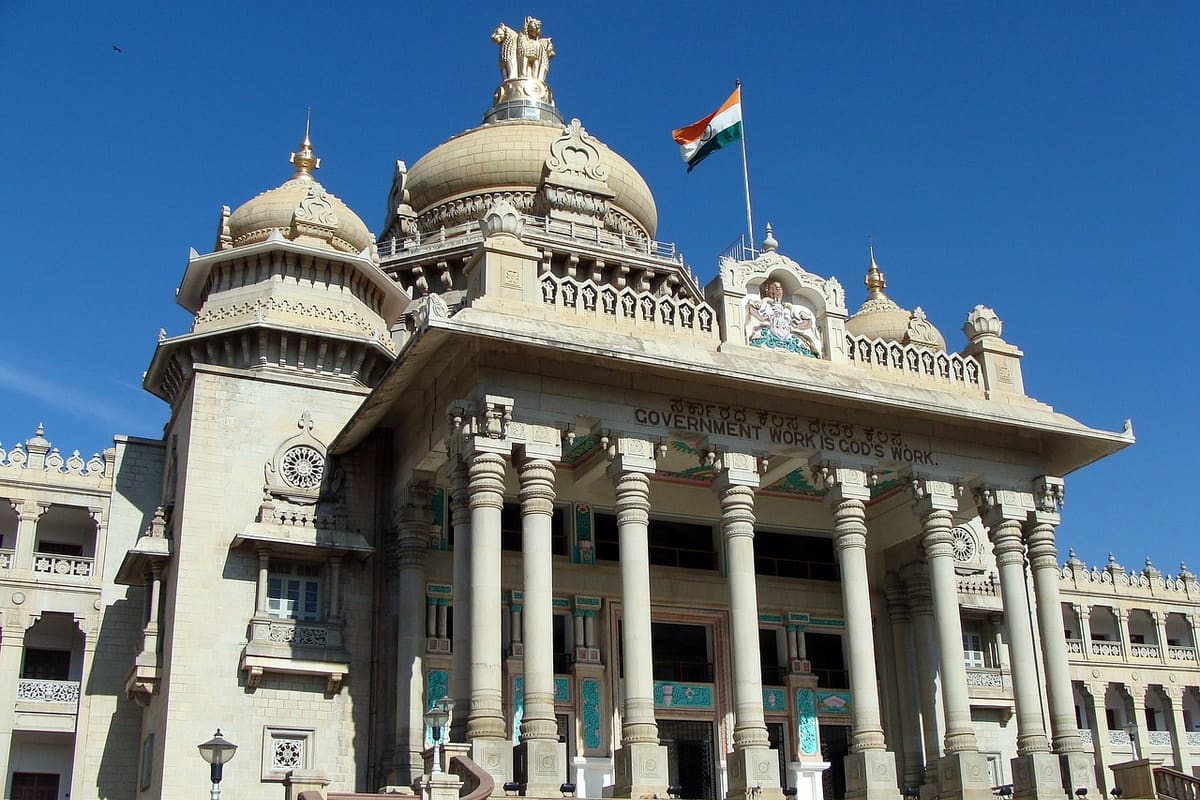
In I.C. Golaknath v. State of Punjab (1967 AIR 1643, 1967 SCR (2) 762), a eleven-judge bench of the Supreme Court of India, by a narrow 6:5 majority, ruled that Parliament could not amend Fundamental Rights enshrined in Part III of the Constitution. The Court held that Fundamental Rights were transcendental and immutable, placing them beyond the reach of the amending process under Article 368 of the Constitution.
The Question Before the Court
The central question before the Supreme Court was whether an amendment to the Constitution, particularly one affecting Fundamental Rights, was a 'law' within the meaning of Article 13(2) of the Constitution. Article 13(2) states that the State shall not make any law which takes away or abridges the rights conferred by Part III, and any law made in contravention of this clause shall, to the extent of the contravention, be void. The petitioners challenged the validity of the Punjab Security of Land Tenures Act, 1953, and the Mysore Land Reforms Act, 1961, which had been placed in the Ninth Schedule by the 17th Constitutional Amendment Act, 1964, arguing that they violated their Fundamental Rights to property.
The Majority Ruling and its Ratio
The majority, led by Chief Justice K. Subba Rao, held that a constitutional amendment carried out under Article 368 was indeed a 'law' within the meaning of Article 13(2). Consequently, if such an amendment abridged or took away any of the Fundamental Rights, it would be void. The Court applied the doctrine of prospective overruling, stating that its decision would not affect the validity of amendments made prior to the date of the judgment. This meant that the 1st, 4th, and 17th Constitutional Amendment Acts, which had placed various land reform laws in the Ninth Schedule and curtailed Fundamental Rights, would remain valid, but Parliament would be barred from making similar amendments in the future. The majority emphasized the sacrosanct nature of Fundamental Rights, viewing them as natural rights necessary for the development of human personality.
The Dissenting Opinions
The dissenting judges, including Justice Wanchoo, Justice Bhargava, and Justice Mitter, argued that the power to amend the Constitution under Article 368 was a constituent power, distinct from the ordinary legislative power of Parliament. They contended that an amendment made under Article 368 was not a 'law' within the meaning of Article 13(2). Therefore, Parliament had the power to amend any part of the Constitution, including Fundamental Rights. They highlighted the need for a flexible Constitution that could adapt to changing societal needs and aspirations, asserting that restricting Parliament's amending power would lead to constitutional rigidity.
Impact and Subsequent Developments
The Golaknath judgment created a significant constitutional impasse, effectively freezing Parliament's ability to amend Fundamental Rights. This led to a direct confrontation between the judiciary and the legislature. In response, Parliament enacted the 24th Constitutional Amendment Act, 1971, which explicitly declared that Article 368 provided for the amendment of the Constitution and that such an amendment would not be considered a 'law' under Article 13. It also made it obligatory for the President to give assent to any constitutional amendment bill. This amendment was a direct attempt to nullify the Golaknath ruling.
The constitutional crisis culminated in the landmark decision of Kesavananda Bharati v. State of Kerala (1973), where a 13-judge bench of the Supreme Court reconsidered the Golaknath judgment. While overturning Golaknath's finding that Parliament could not amend Fundamental Rights, Kesavananda Bharati introduced the 'Basic Structure Doctrine', holding that Parliament's power to amend the Constitution under Article 368 was not unlimited and could not alter the basic structure or essential features of the Constitution. This doctrine effectively reconciled parliamentary sovereignty with judicial review, allowing amendments but safeguarding the core tenets of the Constitution.
Relevance Today
Although Golaknath was subsequently overruled by Kesavananda Bharati, its historical significance remains profound. It was the first time the Supreme Court unequivocally asserted that there were limits to Parliament's power to amend the Constitution, particularly concerning Fundamental Rights. The judgment laid the groundwork for the 'Basic Structure Doctrine', which has since become a cornerstone of Indian constitutional jurisprudence, ensuring that the fundamental principles and values of the Constitution remain inviolable. It underscored the judiciary's role as the guardian of the Constitution and the protector of individual liberties against potential legislative overreach.
Before Golaknath, the prevailing view, established in cases like Shankari Prasad v. Union of India (1951) and Sajjan Singh v. State of Rajasthan (1965), was that Parliament's power to amend the Constitution under Article 368 was plenary and extended to all parts of the Constitution, including Fundamental Rights. These judgments held that a constitutional amendment was not an ordinary 'law' subject to the limitations of Article 13(2). Golaknath marked a significant departure from this position, introducing a period of intense debate and judicial-legislative tension over the scope of amending power.
For an ordinary citizen, the Golaknath judgment, and its subsequent evolution into the Basic Structure Doctrine, means that their fundamental rights are protected from arbitrary legislative changes. While Parliament can amend the Constitution, it cannot alter the core principles that define India as a democratic republic, ensuring that essential liberties and the constitutional framework remain intact. This provides a crucial safeguard against any attempts to undermine the foundational values of the nation.
Have a question on this?
Ask LuricIO AI about this judgement, the provisions involved, or your own matter, and get a court-ready answer.
An evergreen explainer by LuricIO Intelligence on a landmark judgement or key provision of Indian law. Always confirm the current statute and the latest authorities against the official record.
An AI-generated explainer by LuricIO Intelligence on a key provision or landmark judgement of Indian law. It may contain errors and is not legal advice, independently verify the current statute and the latest judgements against the official record before relying on it.
Related analyses
See all in Supreme CourtSupreme Court of India
Society Tag No Shield From Article 12: Supreme Court
3 min read

Supreme Court of India
Supreme Court Directs Delhi Authorities on Protests, Metro, and Detentions
4 min read

Supreme Court of India
Supreme Court to Examine Plea to Recall Split Verdict on Election Commissioner Appointments
3 min read
Supreme Court of India
Delhi High Court Orders Forensic Audit of Fortis Transactions; Supreme Court to Review 'Reverse Veil Piercing'
4 min read
