Supreme Court of India
Supreme Court Revises District Judge Eligibility, Emphasises Holistic Judicial Training
The Supreme Court has recalibrated the eligibility criteria for district judicial service, reducing the mandatory practice experience to one year followed by structured training. This decision reflects a broader judicial concern for attracting diverse talent and fostering a judiciary focused on judgment and empathy over mere years at the Bar.
 By LuricIO Intelligence
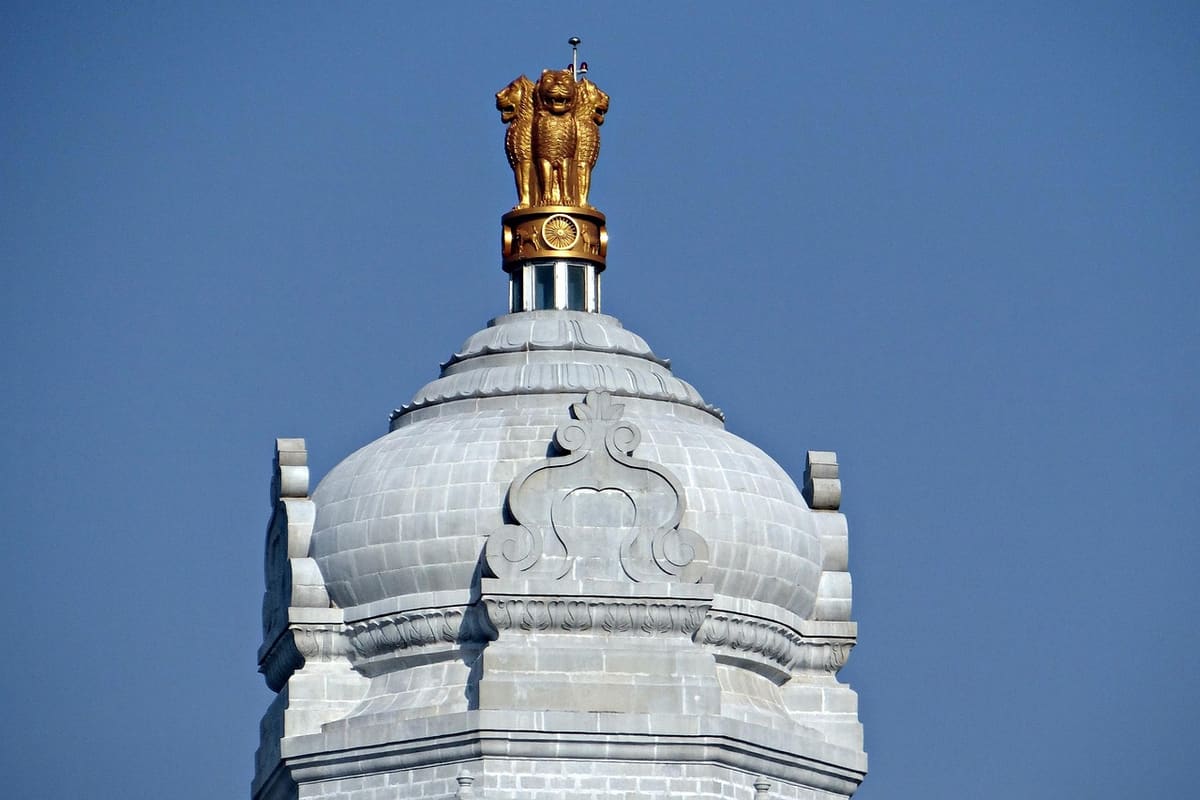
In a significant development concerning judicial recruitment, the Supreme Court of India has reviewed its earlier 2025 judgment and revised the eligibility criteria for aspiring civil judges and magistrates in the district judiciary. The new rule mandates one year of actual legal practice prior to appearing for the judicial service examination. Following successful selection, candidates will undergo a structured two-year period of judicial training and clerkship. This recalibration aims to strike a balance between requiring practical exposure and ensuring that entry-level barriers do not deter meritorious candidates from joining the judiciary.
Revised Eligibility for District Judiciary
The Supreme Court's decision to reduce the pre-examination practice requirement from three years to one year, coupled with a post-selection training module, acknowledges the varied quality of legal experience available to young lawyers. The Court implicitly recognised that a rigid multi-year practice requirement might not uniformly guarantee the desired professional growth, as the nature and depth of experience can differ dramatically based on access to quality chambers, geography, and socio-economic factors. The revised approach seeks to ensure that while some practical exposure is gained, the primary emphasis shifts towards structured institutional training to mould future judges.
Beyond Experience: Qualities of a Good Judge
The observation highlights that mere years of practice are not the sole determinant of a good judge. While intelligence and legal knowledge are undoubtedly crucial, other qualities are equally, if not more, important. These include sound judgment, intellectual curiosity, independence of mind, courage, patience, emotional intelligence, compassion, and unwavering honesty. The ability to listen, to critically evaluate contradictory propositions, and to exercise power with humility and responsibility are considered paramount. The analysis suggests that the recruitment process should evolve to identify candidates possessing these nuanced attributes, rather than solely focusing on academic scores or a fixed duration of professional experience.
Challenges in Attracting and Retaining Talent
The analysis points to several systemic issues that hinder the district judiciary's ability to attract and retain top talent. These include the deeply hierarchical structure of the institution, where career progression, transfers, and administrative evaluations are often controlled from above, potentially stifling creativity and independent thought. Concerns were raised about judges feeling compelled to adopt conservative approaches, particularly in matters of bail and injunctions, due to the fear of adverse appellate observations. Furthermore, the practice of assigning magistrates to protocol duties, rather than judicial functions, was criticised as undermining the dignity and sovereign nature of their role. The relationship between the High Court and the district judiciary, it was argued, should be more collegial and intellectual, moving beyond mere supervisory oversight.
Making the Work Meaningful and Rewarding
To attract and retain exceptional individuals, the daily reality of judicial work must be made more intellectually stimulating. The current scenario, often characterised by impossibly long cause lists, administrative burdens, and a lack of research assistance, can reduce judging to mere docket management. The observation advocates for providing research support at the district level, delegating non-judicial tasks to court managers, and ensuring diverse work assignments beyond repetitive matters. It also stresses the importance of fostering an institutional culture that encourages curiosity and innovation, allowing judges to engage with complex legal questions without fear of being perceived as impudent. Additionally, the career path for district judges needs to be more certain and merit-based, with credible avenues for fast-tracking extraordinary officers and ensuring that elevation to High Courts is a tangible possibility.
Rethinking the Examination Process
The current judicial service examinations primarily test legal knowledge. However, the analysis argues for a shift towards assessing judgment, critical thinking, and the ability to navigate ambiguity. It suggests that examinations should incorporate realistic case records with relevant and irrelevant material, contradictory testimony, and scenarios requiring the exercise of discretion. This would better evaluate a candidate's capacity to sift facts, determine veracity, and apply legal principles with sound judgment, which are essential skills for effective adjudication.
The district judiciary forms the bedrock of India's justice delivery system, serving as the first point of contact for most litigants. Historically, recruitment to these crucial posts has involved competitive examinations, often coupled with a minimum practice experience requirement to ensure practical legal exposure. The ongoing debate and the Supreme Court's recent revisions reflect a continuous effort to refine these criteria, balancing the need for seasoned professionals with the imperative to attract fresh talent and ensure diversity, while continuously striving to enhance the overall quality and efficiency of the judicial system.
For ordinary citizens, the quality of the district judiciary directly impacts their access to justice and the fairness of legal proceedings. A judiciary composed of empathetic, independent, and competent judges ensures that disputes are resolved justly and efficiently, and that fundamental liberties are protected. The Supreme Court's focus on holistic training and attracting diverse talent aims to strengthen this foundational level of the justice system, where most citizens have their primary and often only interaction with the judiciary.
Have a question on this?
Ask LuricIO AI about this judgement, the provisions involved, or your own matter, and get a court-ready answer.
This is LuricIO's independent analysis. For the original report, quotes, and full coverage, read the source.
LuricIO Intelligence's AI-generated analysis of this development and the law behind it. It may contain errors and is not legal advice, independently verify the facts and the primary source against the official record before relying on it.
Related analyses
See all in High CourtsDelhi High Court
Delhi HC questions BCI bar on open-university entrants to law
5 min read

Supreme Court of India
Supreme Court Disruption by Law Students Leads to Arrests, No Contempt Initiated
2 min read

Supreme Court of India
Supreme Court Orders CISF Cover in Temple Deepam Row
4 min read

Supreme Court of India
Supreme Court Defers Rape Conviction Appeal Hearing
5 min read
